
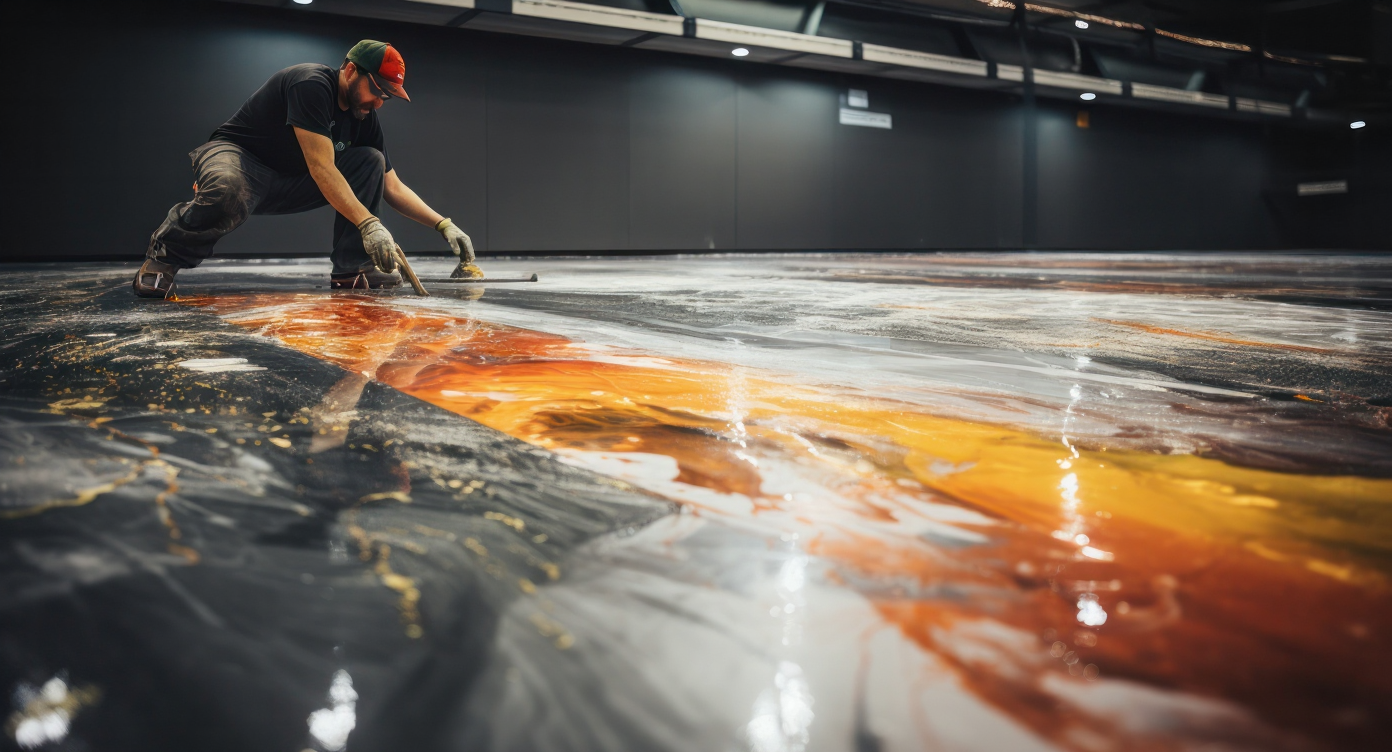
Metallic epoxy floors have become one of the most in-demand flooring finishes in both residential and commercial spaces. When done right, they deliver a one-of-a-kind, three-dimensional appearance that looks like liquid metal poured into your floor. When done wrong, they look patchy, uneven, and unprofessional.
This guide covers the complete installation process from surface preparation to final topcoat so you can deliver consistent, showroom-quality metallic floors every time.
What You Will Need
For a standard metallic epoxy system using Everflow products:
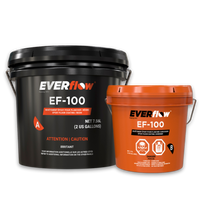
- Everflow EF-100 Clear Epoxy (base coat, use clear for metallic systems)
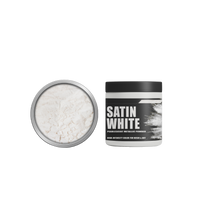
- Latux Metallic Epoxy Pigment (added to the clear base to create the metallic effect)
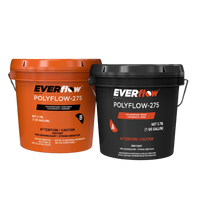
- Everflow EF-275 Polyaspartic Topcoat (UV-stable finish coat)
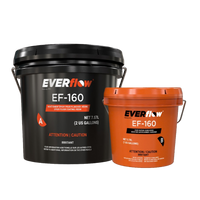
- EF-160 Moisture Vapor Barrier (required on any slab-on-grade)
- Floor grinder with 60-80 grit diamond tooling
- Squeegee or gauge rake (1/8-inch notch recommended)
- Spiked roller shoes, mixing drill and paddle
- Safety gear: nitrile gloves, respirator, safety glasses
Step 1: Surface Preparation
Surface preparation is the single most important step in any epoxy floor installation. Even the highest-quality coating will fail on an improperly prepared slab. Grind the concrete with a planetary floor grinder using 60-80 grit diamond tooling to achieve a surface profile of CSP 2-3 (approximately the texture of 60-grit sandpaper). This profile gives the epoxy mechanical adhesion to grip onto.
Look for oil stains (degrease and re-grind), cracks (fill before coating), high spots (grind flat), and previous coatings (remove completely). After grinding, vacuum and sweep thoroughly. Any dust or debris sealed under your coating will show. New to prep? Read our full guide on preparing concrete for epoxy.
Step 2: Moisture Testing
Skipping this step is the leading cause of epoxy delamination failures. Perform a calcium chloride test or use a pin moisture meter. If moisture vapor emission exceeds 3 lbs/1000 sq ft/24 hours, apply Everflow EF-160 Moisture Vapor Barrier per the Technical Data Sheet and allow to fully cure before proceeding. Learn why every slab needs a moisture vapor barrier.
Step 3: Apply the Metallic Base Coat
Mix your EF-100 Clear Epoxy per the TDS (typically 2:1 ratio by volume, Part A to Part B). Mix thoroughly for 3 full minutes, scraping sides and bottom. Pour into a second clean bucket and mix for 1 additional minute. Add your metallic pigment. One 160 g pod tints a full 3-gallon kit, or use three 50 g jars for the same load. Mix thoroughly.
Apply with a squeegee or gauge rake, spreading evenly. Immediately follow with a spiked roller in alternating diagonal directions to manipulate the metallic particles and create the characteristic swirling effect. The manipulation stage is where the artistry happens. Vary your roller direction and pressure to achieve your desired look.
Pro tip: For a more dramatic, layered metallic effect, apply a second thin coat with a contrasting metallic pigment while the first coat is still in its green state. This creates depth that a single-coat system cannot achieve.
Step 4: Apply the Polyaspartic Topcoat
Allow the metallic base coat to cure for 18-24 hours at 70°F before applying the topcoat. Apply Everflow EF-275 Polyaspartic with a squeegee or roller at 200 sq ft per gallon maximum, which is 8 mils over an existing coating (400 sq ft per 2-gallon kit). The polyaspartic provides UV stability (critical: metallic epoxy without a UV-stable topcoat will yellow quickly), chemical resistance and the high-gloss finish your client is paying for. Allow 4 to 8 hours at 68°F before light foot traffic. Deciding between finishes? See polyaspartic vs epoxy.
Common Mistakes to Avoid
- Skipping moisture testing: the leading cause of delamination
- Under-mixing: always mix for the full recommended time
- Not wearing spiked shoes: footmarks in wet epoxy are permanent
- Applying too thick: metallic epoxy should be applied at 10-15 mils wet, not as a flood coat
- Skipping the UV-stable topcoat: exposed metallic epoxy will yellow within months
For product specifications, coverage rates and full Technical Data Sheets, visit our TDS page or call our team at (800) 413-1427.
The Complete Metallic Epoxy Floor Series
Planning a full project? These guides walk you through every stage, from budgeting to prep to avoiding the mistakes that cause failures:
- Plan and budget: How much epoxy do I need? and Best epoxy for garage floors
- Prep the slab: How to prepare concrete for epoxy and What is a moisture vapor barrier?
- Choose your system: Polyaspartic vs epoxy and The full broadcast flake system
- Avoid failures: Why epoxy floors peel
Knowledge that builds better floors.
Browse the full library of contractor guides, how-tos, and product insights.