
How to Prepare Concrete for Epoxy Coating: The Step Most Installers Get Wrong
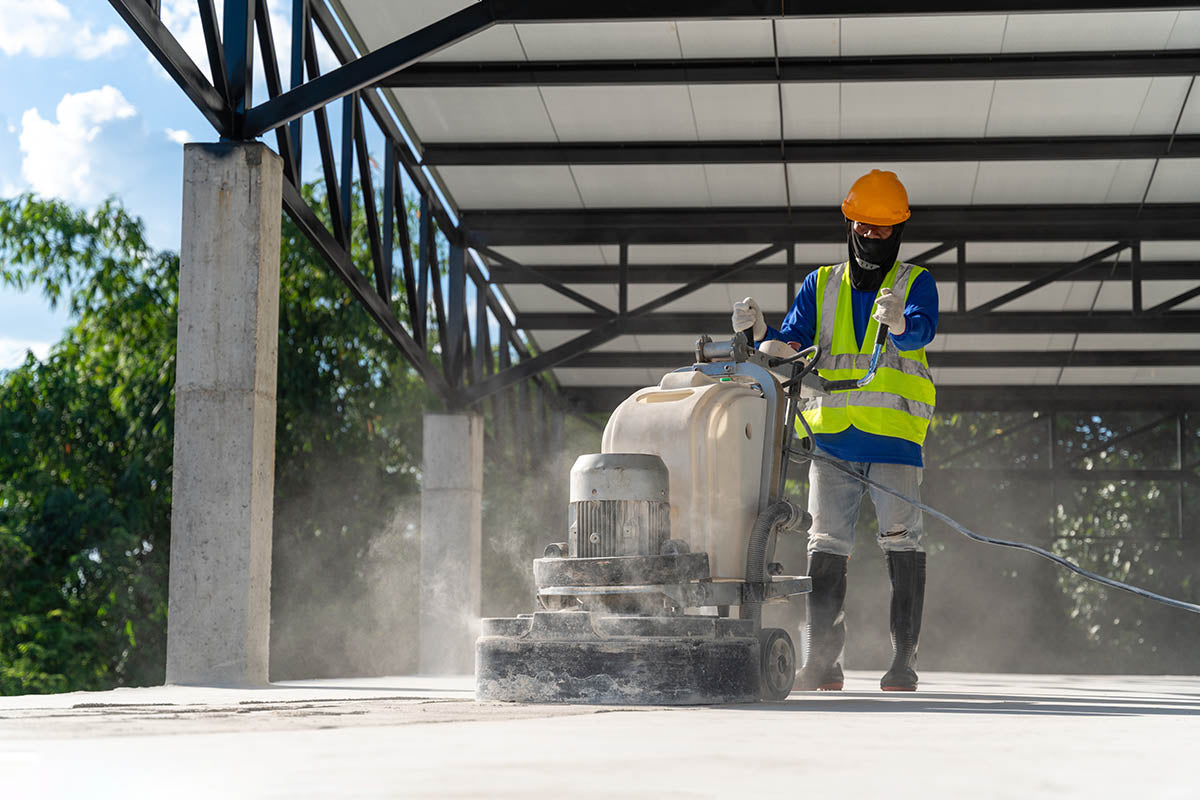
Ask any experienced epoxy installer what causes most floor failures, and they will give you the same answer: bad surface prep. Not inferior products. Not incorrect mixing ratios. Not application errors. Surface preparation. Done incorrectly, even the best 100% solids epoxy will delaminate, bubble or peel within months. Done right, a properly applied epoxy system will last decades.
This guide covers everything you need to know about preparing concrete for epoxy coating.
Why Surface Preparation Matters
Epoxy adheres to concrete through a combination of mechanical bonding (the coating grabs onto the microscopic valleys in the concrete surface) and chemical bonding (the epoxy resin chemically bonds to the cementitious material). Both bonding mechanisms require a properly opened, clean concrete surface.
When the surface profile is too smooth, the epoxy has nothing to grip. When the surface is contaminated with oil, curing compounds or bond breakers, the chemical bond is compromised. Either scenario results in failure.
Step 1: Assess the Concrete
Before any mechanical preparation, evaluate what you are working with:
- Age: New concrete must cure for at least 28 days before coating
- Existing coatings: Any previous coating, sealer or paint must be fully removed
- Contamination: Oil, grease, tire marks and chemicals must be degreased before grinding
- Cracks and spalling: Note locations, as these need repair before coating
- Moisture: Identify any areas with visible moisture, efflorescence (white mineral deposits) or watermarks
Step 2: Degrease if Necessary
If the floor has oil or grease contamination (common in garages, auto shops and commercial kitchens), apply a commercial degreaser and scrub thoroughly before mechanical preparation. If you grind over oil contamination, you will drive it deeper into the concrete and it will continue to bleed through your coating.
For heavy contamination, you may need to degrease, grind, degrease again, and grind again before the surface is clean enough to accept epoxy.
Step 3: Mechanical Preparation
The goal of mechanical preparation is to open the concrete surface to achieve a Concrete Surface Profile (CSP) of 2-3. This is roughly equivalent to the texture of 60-grit sandpaper. You should be able to feel the profile with your fingertip.
Use a planetary floor grinder with 30-80 grit diamond tooling. For standard residential concrete in good condition, start with 50 grit. For harder, denser concrete or floors with previous coatings, start coarser (30 grit) and work up.
Grind the entire floor in overlapping passes, paying attention to corners and edges (use a hand grinder or edge grinder for areas the floor machine cannot reach). The ground surface should have a consistent, matte appearance with no shiny areas.
Step 4: Fill Cracks and Voids
After grinding and before coating, fill any cracks, control joint edges and significant voids with an epoxy crack filler or semi-rigid joint filler. Allow to cure per product directions. Re-grind filled areas flush with the surrounding concrete if necessary.
Do not try to fill surface defects with your coating epoxy. It will flow away from the edges before curing and leave unsightly ridges.
Step 5: Moisture Testing
This is the step most installers skip, and the one that causes the most failures. Moisture vapor migration from below the slab is the leading cause of epoxy delamination, and it can happen on slabs that appear perfectly dry on the surface.
Perform one or both of the following tests:
- Calcium chloride test (ASTM F1869): Measures moisture vapor emission rate (MVER). Results above 3 lbs/1,000 sq ft/24 hours require a moisture vapor barrier.
- Relative humidity probe (ASTM F2170): Measures RH inside the slab. Results above 75% RH require a moisture vapor barrier.
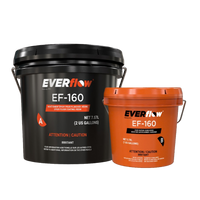
If moisture levels exceed these thresholds, apply Everflow EF-160 Moisture Vapor Barrier before any other coating. Skipping this step on a high-moisture slab guarantees delamination.
Step 6: Final Clean
Vacuum the entire floor thoroughly with an industrial vacuum. Follow with a tack cloth or microfiber mop to remove fine dust. The floor should be completely free of dust, debris and moisture before coating.
Do not use water to clean the floor before coating. Even a thin film of water on the surface can cause adhesion problems. If you need to clean with liquid, use isopropyl alcohol and allow to evaporate completely.
Ready to Coat?
A properly prepared floor will accept your epoxy system and deliver a result that looks great and lasts for years. Cut corners on prep, and the best products in the world will not save the job.
Have questions about surface preparation or product selection? Our team is available at (800) 413-1427 or browse our diamond cup wheels and surface prep tooling.
KEEP READING
More guides from the Latux pros
Knowledge that builds better floors.
Browse the full library of contractor guides, how-tos, and product insights.