
One of the most common questions we get at Latux is: should I use epoxy or polyaspartic for this floor? Before you read any comparison, including this one, know this: we sell both. We stock a full epoxy line and a full polyaspartic line, so we have no reason to talk you into either camp. We would rather you buy the right system once than the wrong system twice.
The short answer is: both, in the right order. Epoxy is the muscle, polyaspartic is the armor. Each coating has a specific role in a professional floor system, and understanding that role will make you a better installer and a smarter buyer.
What Is Epoxy Floor Coating?
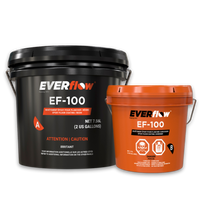
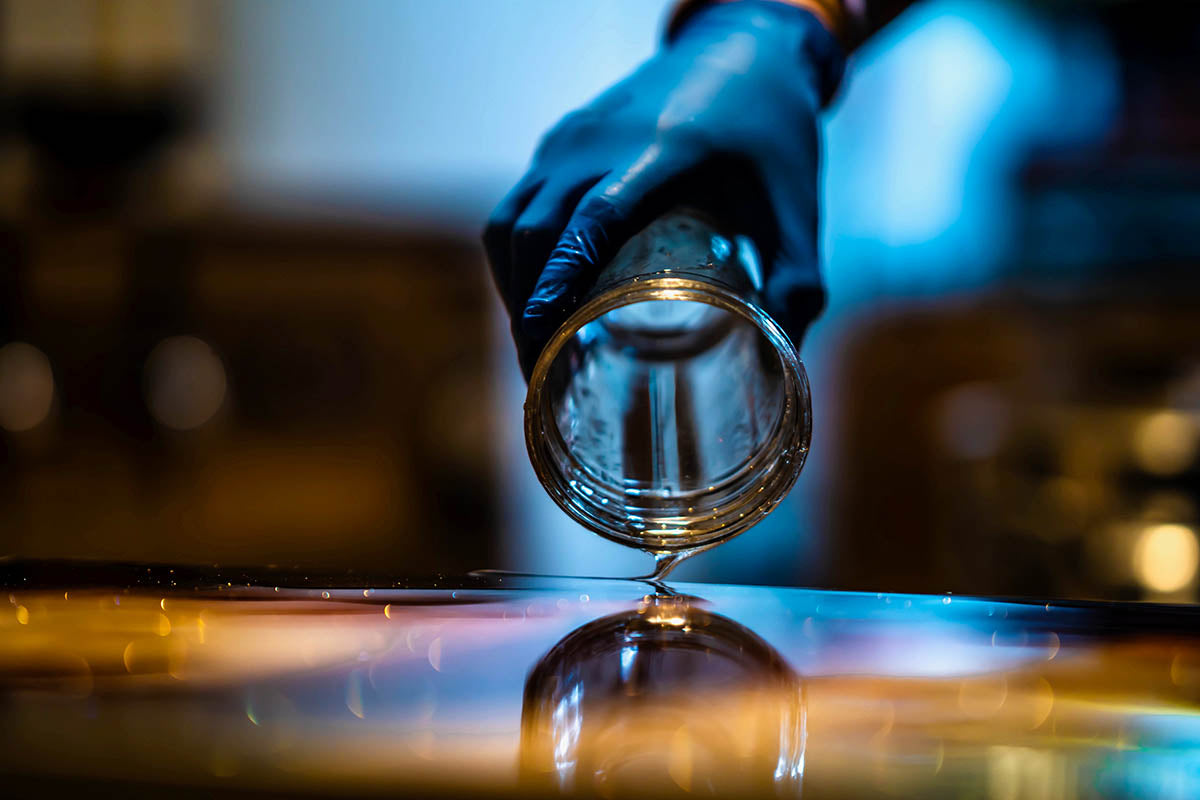
Epoxy is a two-component coating made from epoxy resin and a polyamine hardener. When combined, they react into an extremely hard, tightly bonded film. 100% solids epoxy (like the Everflow EF-100) contains no water or solvents, so everything you roll on stays on the floor as film thickness. That build is the point: a single coat lays down a heavy, self-leveling layer that fills pinholes, hides a rough slab, and creates the durable foundation of the system.
Epoxy is typically the base coat. Its high build and self-leveling properties make it the body of metallic, flake, and solid-color floors alike.
What Is Polyaspartic Coating?
Polyaspartic is an aliphatic polyurea. "Aliphatic" is the word that matters: it means the chemistry is UV-stable and will not yellow in sunlight the way epoxy does. Polyaspartic cures fast, stays water-clear, and shrugs off hot tires, road salt, oil, and gas better than standard epoxy.
It comes two ways. The Everflow clear topcoats we carry, EF-275 and the higher-solids EF-290, are made to seal a color or flake coat with a tough, non-yellowing finish. The Everflow EF-280 kit is a full polyaspartic system on its own for fast-turnaround jobs.
Epoxy vs Polyaspartic: Side by Side
| Epoxy | Polyaspartic | |
|---|---|---|
| Role in the system | Base and body coat | Clear topcoat, or standalone fast system |
| Recoat / foot traffic | 18-24 hours | 2-4 hours |
| Vehicle traffic | About 3 days, longer in cold | About 1 day |
| Working time (pot life) | 30-40 minutes at 70°F | Short, and shrinks further in heat |
| UV stability | Ambers in sunlight | UV-stable, stays clear |
| Build per coat | 10-20 mils | 5-10 mils |
| Cold-weather use | Struggles once the slab drops to the mid 50s °F | Tolerates lower slab temps (check the TDS) |
| Character of the film | Hard and rigid | Flexible, scratch and scuff resistant |
| Material cost | Lower per gallon | Higher per gallon |
Cure Time and Downtime
This is the headline difference, and polyaspartic wins it clearly. An epoxy base coat typically wants 18 to 24 hours before recoat and about 3 days before vehicle traffic, longer in cold weather. Polyaspartic can take foot traffic in 2 to 4 hours and vehicles in about a day, which is why true one-day garage systems almost always finish with a polyaspartic clear. Crews that need to move faster on the epoxy side reach for the Everflow EF-150 fast-cure epoxy.
The trade-off of that speed is working time. Epoxy gives you a calm 30 to 40 minute pot life at 70°F to chase out roller marks. Polyaspartic starts to gel fast, especially in warm weather, and is far less forgiving for a first-timer. Always check the TDS for temperature-specific pot life data.
UV Stability: Why Raw Epoxy Yellows
Clear epoxy ambers under UV light. Put it in direct sun or under a bright window and over months it drifts toward yellow. That is chemistry, not a defect, and it is exactly why a UV-stable topcoat over epoxy is not optional on any floor that sees light. Polyaspartic holds its clarity in sunlight, which is why it is the standard finish over metallic and flake floors where color accuracy is the whole point. An aliphatic urethane like the Everflow EF-301 polyurethane is the other non-yellowing finish option. For more on how coatings discolor and fail, see why epoxy floors peel.
Cold-Weather Installs
Epoxy is fussy about temperature. When the slab drops toward the mid 50s Fahrenheit and below, standard epoxy thickens, cures slowly, and can refuse to harden at all. Polyaspartic tolerates cold far better and will cure at temperatures that leave epoxy sitting sticky, which is why crews reach for it in shoulder-season and winter installs. Either way, check the concrete with a surface thermometer, not the air, and follow the data sheet's minimum slab temperature. A cold slab is one of the quiet reasons coatings fail.
Durability: How Each Takes Punishment
- Epoxy is hard and rigid. That hardness resists dents and rolling loads, but rigidity means it can chip at an edge under a dropped tool, and it scratches under dragged metal.
- Polyaspartic is more flexible and more scratch and scuff resistant, and it resists hot tire pickup. It moves with the slab through temperature swings, which helps at control joints and in freeze-thaw climates.
This is the strongest argument for using them together. Neither one does the other's job badly. They cover each other's weak spots.
What It Actually Costs
Per gallon, polyaspartic costs more than epoxy because the raw chemistry is more expensive. As rough industry ranges, a professionally installed epoxy floor commonly lands around $3 to $7 per square foot, while a professional polyaspartic or polyaspartic-over-epoxy system often runs $5 to $12 per square foot. Region, prep, and floor condition swing those numbers, so treat them as a starting point, not a quote.
The bigger lever is DIY versus hiring out. Labor is the largest line item on a coated floor, so installing a quality kit yourself can cut the total by more than half. One EF-100 3-gallon kit covers roughly 150 to 200 square feet per base coat on a prepared garage floor. Run your square footage through our epoxy coverage guide so you do not buy a second kit mid-job.
Which Should You Choose? By Project
Standard home garage
A solid-color garage that mostly needs to look clean, resist oil, and wipe up easily is a classic epoxy base with a clear topcoat. If the garage gets real sun, make that topcoat a UV-stable clear so it never yellows. Our best epoxy for garage floors buyer's guide covers the base-coat side in detail.
One-day turnaround
If you cannot leave the garage down for several days, lean on polyaspartic, or a fast-cure epoxy base finished with a polyaspartic clear. That combination lets a floor go from grind to walk-on in a single day.
Flake (chip) floors
A broadcast flake floor is the sweet spot for both chemistries working together: an epoxy base to embed the flake, then a polyaspartic clear to lock it down and keep the color true. The full method is in our broadcast flake system guide.
Metallic floors
Metallic is a layered look that lives and dies on color clarity, so it wants a metallic-grade epoxy base like the Everflow EF-Masterflow metallic kit, finished with a polyaspartic or urethane clear so the sheen and depth do not dull over time.
Outdoor and sun-exposed slabs
For patios, entrances, and anything living in daylight, UV stability rules the decision. The exposed layer should be polyaspartic or polyurethane. A bare epoxy topcoat outdoors will amber, guaranteed.
The Professional Answer: Use Both
The best floor system stacks the strengths of both coatings. A common pro build looks like this:
- Coat 1: a 100% solids epoxy base like EF-100 for thickness, bond, and the color, metallic, or flake layer
- Coat 2 (optional): a second epoxy or broadcast flake coat for body and grip
- Topcoat: a UV-stable polyaspartic like EF-275 or EF-290 to seal it, resist hot tires, and stop yellowing
This is the system Latux recommends for 90% of residential and commercial floor installations. It delivers the thickness and build of epoxy with the UV stability and fast cure of polyaspartic, and it produces the best long-term performance and customer satisfaction for the money.
Prep Beats Product
Here is the truth that matters more than the polyaspartic vs epoxy debate. Both coatings bond mechanically: they grip the tiny profile ground into the concrete. If the slab is not properly opened up, clean, and dry, the best coating on earth will still peel. That means diamond grinding or proper etching, fixing cracks, and testing for moisture before a drop of resin goes down. Moisture pushing up through the slab is the silent killer of coatings. Before you buy anything, read how to prepare concrete the right way and why a moisture vapor barrier matters.
Frequently Asked Questions
Is polyaspartic better than epoxy for a garage floor?
Neither is simply better. Polyaspartic cures faster, stays clear in sunlight, and handles cold slabs and hot tires better. Epoxy builds more thickness, is more forgiving to apply, and costs less per gallon. The strongest garage floors use an epoxy base coat with a polyaspartic clear topcoat.
Can you apply polyaspartic over epoxy?
Yes, and it is one of the most common professional systems. Epoxy provides the thick, well-bonded body coat, and the polyaspartic clear seals it with a UV-stable, scratch-resistant surface. Follow the recoat window and surface prep instructions on both product data sheets so the layers bond correctly.
Why does my epoxy floor turn yellow?
Raw epoxy ambers when exposed to UV light. That is normal chemistry, not a defect. The fix is to seal epoxy with a UV-stable topcoat such as a polyaspartic or an aliphatic polyurethane, which holds its clarity in sunlight and protects the color underneath.
How long before I can park on the floor?
A polyaspartic coat can take foot traffic in 2 to 4 hours and vehicle traffic in about a day. A full epoxy system typically needs about 3 days before you park on it, longer in cold conditions. Cure times vary with temperature and humidity, so confirm with the product data sheet.
Browse our Epoxy Floor Coatings and Polyaspartic Topcoats to build your system, or call us at (800) 413-1427 for product recommendations specific to your job.
KEEP READING
More guides from the Latux pros
Knowledge that builds better floors.
Browse the full library of contractor guides, how-tos, and product insights.