
MORE IN ACCESSORIES
View all products


Width
18 inches
Nap
3/8 in Woven Dralon
Core
Phenolic, end caps fitted
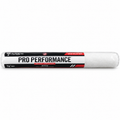
Pro Roller 18 in. Pro Performance Woven Roller Cover, 3/8 in. Nap (With End Caps)
Vendor:
Pro Roller
SKU:
PRP038SR-18EC
Barcode:
737585007154
Availability:
In stock
Product type:
Accessories
$12.99
REQUEST A QUOTE
Talk to your Latux rep for your best price, freight, and lead time.
The Pro Performance woven roller cover is built for floor coatings, not wall paint. Shed-resistant woven Dralon fiber sits on a solvent-resistant phenolic core, so it holds together through a pour of 100% solids epoxy or solvent-based polyaspartic, where a hardware-store cover swells, goes soft and starts coming apart on the frame. At 18 inches it lays more floor per pass with fewer laps to chase, and it seats straight onto the Wooster Big Ben 18 in. roller frame.
18
IN WIDTH
More floor per pass
3/8
IN NAP
Ground, smooth slab
WOVEN
DRALON FIBER
Shed and lint resistant
PHENOLIC
SOLVENT-RESISTANT CORE
Will not swell mid-pour
What a 3/8 in. nap is actually for
Nap height decides how much material the cover picks up and how much texture it leaves behind. A 3/8 in. nap is the working default on a diamond-ground, smooth concrete slab. It carries enough material to even out a squeegeed film of 100% solids epoxy and to lay a polyaspartic or urethane finish coat flat, without loading so heavy that it leaves stipple you then have to chase with a second pass.
Going shorter or longer is a surface decision, not a preference:
| PICKING A NAP | |
| 1/4 in. | Thin, low-build seal coats on very smooth or polished concrete. |
| 3/8 in. | Back-rolling 100% solids epoxy and rolling polyaspartic or urethane topcoats on a ground, smooth slab. This cover. |
| 1/2 in. and up | Broom-finished, textured or open, porous concrete that needs material pushed down into the profile. |
Why woven, and not a knit cover
Most covers on a paint-aisle shelf are knit. Knit fabric is looped, so the pile is loose and fluffy. That is good for latex on drywall, where the fibers it drops are buried under the next coat and nobody sees them. It is the wrong fabric for a floor.
Fibers stay in the cover
Woven Dralon is locked into the backing instead of looped over it, so it holds its fiber rather than releasing it into the wet film. There is no solvent flash in a 100% solids epoxy to carry a stray fiber back out, so whatever drops into the film cures into the floor and shows under gloss.
Flatter, more even release
A woven pile is uniform in height, so it releases material at a consistent rate across the full 18 inches. A knit pile is not, which is where roller tracking and heavy edges come from on a large slab.
The core survives the solvent
Budget covers are built on cardboard or thin plastic. In a solvent-based polyaspartic the core softens, the cover goes out of round and you are pulling it off the frame in the middle of a floor. This one uses a phenolic core built for epoxies and urethanes.
Why the end caps matter
This is the capped version, item PRP038SR-18EC. The Pro Performance cover is also sold bare, with caps bought separately. On an 18 in. cover the caps do real work. They close off the open ends of the core, so material cannot creep inside and set up around the cage. They also keep the ends of the cover from flaring under the weight of a fully loaded 18 in. roller, which is what puts a heavy line of epoxy down one edge of every pass. A capped cover also comes off the frame cleanly at the end of a pour instead of collapsing as you pull it.
Treat covers as a consumable
A roller cover used in 100% solids epoxy is a one-pour item. There is no solvent to wash out with, the material keeps reacting in the nap after you set the roller down, and by the time you have cleaned a cover well enough to trust it on a customer floor you have spent more in labor than the cover costs. Plan on a fresh cover per coat, and carry spares. Once mixed material starts to stiffen in the nap the cover stops laying down and starts dragging, and that is the point where it has to come off the pole, not after the next pass.
Pro Roller does not publish a square-foot rating for a cover, and we will not guess at one. How far a cover goes depends on the film thickness you are laying, how open the slab is and how long the pour runs. The practical rule on a crew is one cover per coat per roller, plus at least one spare on the truck for every cover you expect to use.
Coatings this cover is built for
Anything solvent-borne or 100% solids that goes on a floor. These are the Latux coatings it gets used with most:
- Everflow EF-100, the 100% solids epoxy base coat. Its application spec calls for a 10 mm nap, which is this cover.
- Everflow EF-150 fast cure and EF-155 super fast cure, where a cover that drags costs you the whole batch.
- Everflow EF-275 and EF-290 solvent-based polyaspartic topcoats, where a soft core is the usual failure.
- Everflow EF-301 aliphatic polyurethane finish coat, a high-gloss film where a shed fiber is visible for the life of the floor.
- EF-Masterflow metallic systems, for the prime and back-roll stages before the metallic is worked.
Frame fit
It runs on the Wooster Big Ben 18 in. roller frame, which is the frame most floor crews already carry, and on other standard 18 in. cage frames. The Big Ben threads onto a standard extension pole, so you can roll a slab from standing height instead of off your knees.
Specifications
| COVER | |
| Width | 18 in. |
| Nap | 3/8 in. |
| Fabric | Woven Dralon, shed and lint resistant |
| Core | Solvent-resistant phenolic |
| End caps | Included, fitted |
| Surface type | Smooth, prepared concrete |
| Quantity | 1 cover |
| COMPATIBILITY | |
| Frame | Wooster Big Ben 18 in., and standard 18 in. cage frames |
| Use | Back-rolling epoxy base coats, rolling polyaspartic and urethane finish coats |
| Coatings | Epoxy, polyaspartic, urethane, industrial floor coatings |
| IDENTIFICATION | |
| Manufacturer | Pro Roller, Pro Performance series |
| Item number | PRP038SR-18EC |
How to back-roll with an 18 in. cover
- Pre-wet the nap with a small amount of the mixed coating and work it in, then roll off the excess. A dry cover pulls material unevenly on the first pass.
- Pour the batch out in a ribbon and spread it with a flat squeegee to set the film thickness. The roller evens the film, it does not meter it.
- Back-roll in one direction across the squeegeed section, overlapping each pass by a few inches, and keep a wet edge into the next section.
- Work in sections you can finish inside the working time of the product you are using. On EF-100 that is roughly 30 to 40 minutes at 70°F.
- Wear spike shoes so you can walk the wet film to reach the far side of a pass.
- Take the cover off the frame as soon as the pour is done. Material left to cure in the nap locks the cover onto the cage.
Ordering and shipping
Add covers to your coating order and they ride along with it. Free UPS Ground applies on US orders of $150 or more, which a coating kit clears on its own; a cover bought by itself does not. Free pickup is available at our Pompano Beach warehouse. Latux is an authorized dealer for every brand we carry. Running a large job or buying by the case? Message your Latux rep for contractor pricing.
Supplied for professional installers and supported by Latux.
Frequently Asked Questions
What is a 3/8 in. nap roller cover used for?
It is the working default for floor coatings on a diamond-ground, smooth concrete slab. A 3/8 in. nap carries enough material to even out a squeegeed film of 100% solids epoxy and to lay a polyaspartic or urethane finish coat flat, without loading so heavy that it leaves stipple. Drop to a 1/4 in. nap for thin seal coats on very smooth or polished concrete. Go to 1/2 in. or longer on broom-finished, textured or open porous concrete that needs material pushed into the profile.
Why use a woven cover instead of a knit cover on epoxy?
Knit fabric is looped, so the pile is loose and drops fiber. On drywall that is invisible under the next coat. On a floor it is not: there is no solvent flash in a 100% solids epoxy to carry a stray fiber back out, so anything that drops cures into the film and shows under gloss. Woven Dralon is locked into the backing, holds its fiber, and releases material at an even rate across the full 18 inches, which is what keeps roller tracking and heavy edges out of a large slab.
Do the end caps matter, or can I run a bare cover?
On an 18 in. cover the caps do real work. They close the open ends of the core so coating cannot creep inside and set up around the cage, and they stop the ends of the cover flaring under the weight of a fully loaded 18 in. roller, which is what lays a heavy line of epoxy down one edge of every pass. A capped cover also pulls off the frame cleanly at the end of a pour. This listing is the capped version, item PRP038SR-18EC. The Pro Performance cover is also sold bare with caps bought separately.
Can I wash out and reuse the cover after an epoxy pour?
Treat it as a one-pour consumable. There is no solvent to wash out with on a 100% solids epoxy, the material keeps reacting in the nap after you set the roller down, and cleaning a cover well enough to trust on a customer floor costs more in labor than a new cover. Plan a fresh cover per coat and take it off the frame as soon as the pour is done, because material left to cure in the nap locks the cover onto the cage.
What roller frame does this 18 in. cover fit?
It seats on the Wooster Big Ben 18 in. roller frame, the frame most floor crews already carry, and on other standard 18 in. cage frames. The Big Ben threads onto a standard extension pole so you can roll from standing height.
Which Latux coatings can I roll with this cover?
Anything solvent-borne or 100% solids that goes on a floor. Most often EF-100, whose application spec calls for a 10 mm nap; the EF-150 and EF-155 fast-cure epoxies; the EF-275 and EF-290 solvent-based polyaspartics; EF-301 polyurethane finish coat; and the prime and back-roll stages of an EF-Masterflow metallic system.
How many covers should I order for a job?
Pro Roller does not publish a square-foot rating for a cover, and we will not guess at one. How far a cover goes depends on the film thickness you are laying, how open the slab is and how long the pour runs. The rule crews use is one cover per coat per roller, plus at least one spare on the truck for every cover you expect to use. A cover that starts dragging instead of laying down has to come off the pole immediately, not after the next pass.
Does this roller cover ship free?
Free UPS Ground applies on US orders of $150 or more. A coating kit clears that on its own; a single cover does not, so most contractors add covers to a coating order. Free pickup is available at our Pompano Beach warehouse. For large jobs or case quantities, message your Latux rep for contractor pricing.
Related Products
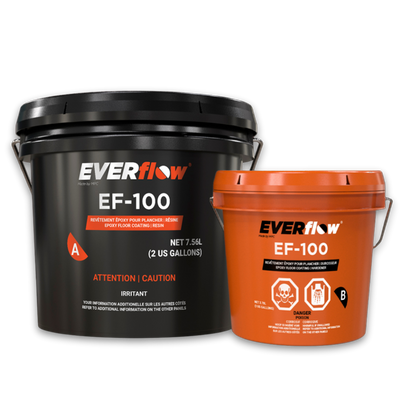
Everflow EF-100 | Epoxy Resin Flooring Kit (3gal)
$179.99
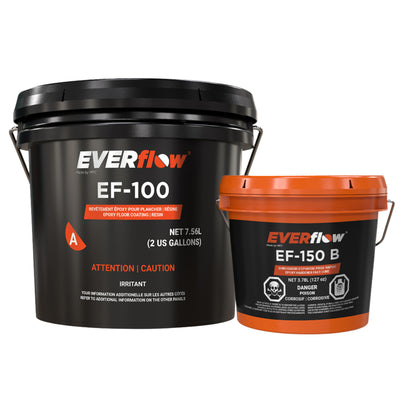
Everflow EF-150 | Fast Cure Epoxy Resin Kit (3gal)
$198.00
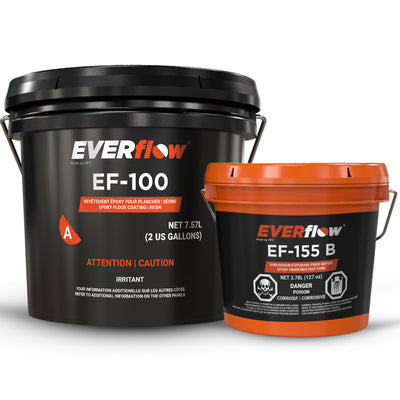
EF-155 | Super Fast Cure Epoxy Resin Flooring Kit For Metallics (3 Gal) | 100% Solids
$210.00
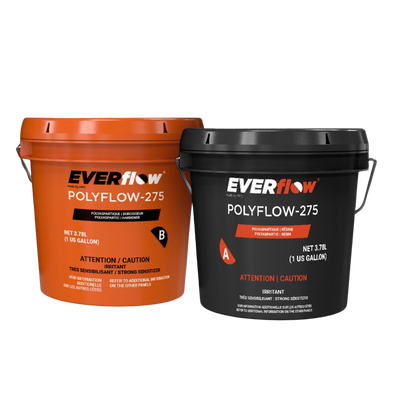
Everflow EF-275 | Solvent Based Polyaspartic (2gal)
$199.00
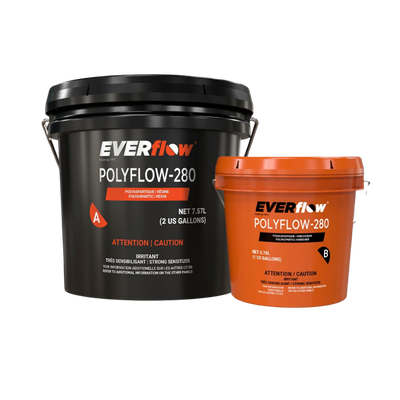
Everflow EF-280 | Polyaspartic Coating Kit (3gal)
$299.00
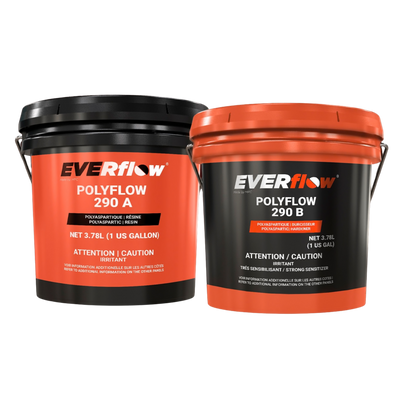
Everflow EF-290 | High Solids Solvent Polyaspartic (2gal)
$235.00
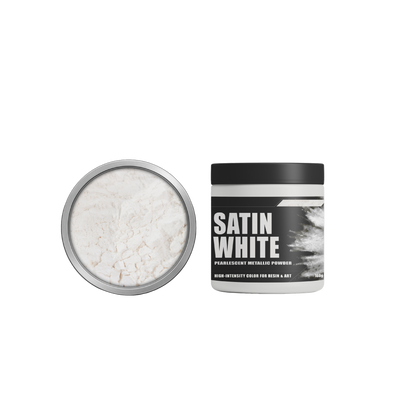
Metallic Epoxy Pigment (160 Grams)
$40.00
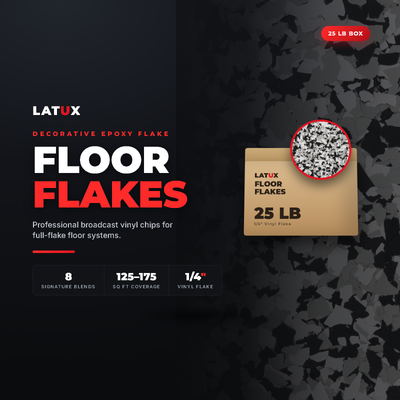
Home and Industrial Flakes for Basement, Shop, and Garage Floors, 25-Pound Box
$99.00